
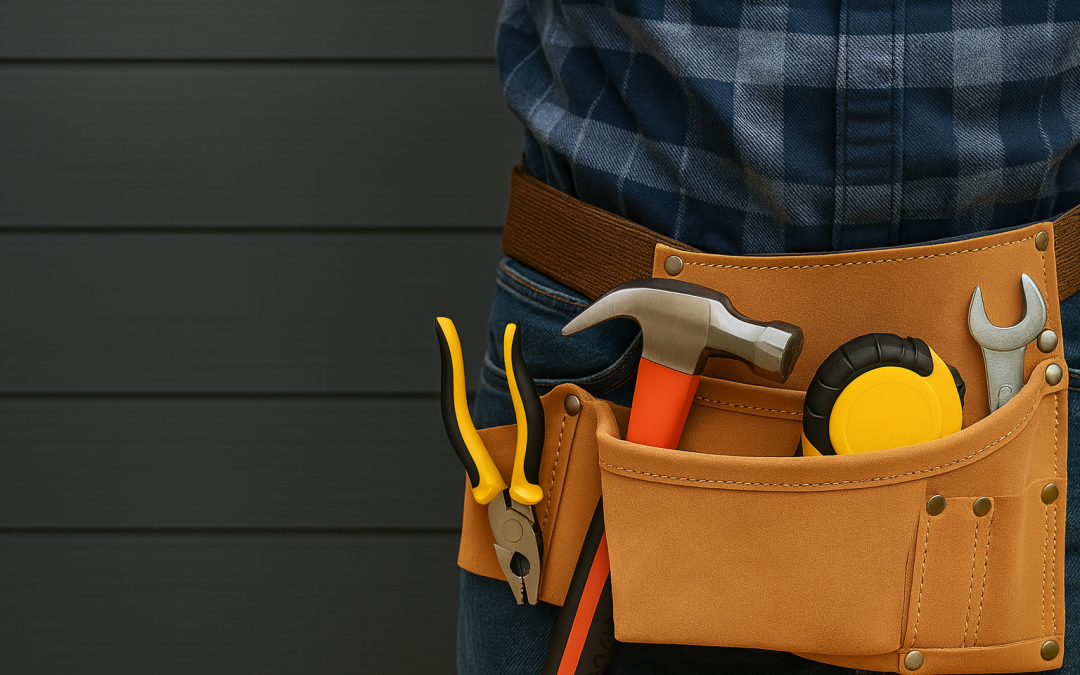
If there’s one frustration every tradie feels at some point, it’s this:
Getting a loan is way harder than it should be.
You’re working hard, bringing money in, quoting jobs, running sites, and doing everything the right way… yet when you try to get finance for a ute, new tools, or even a home loan, the bank still says:
“Sorry mate, your financials don’t meet our criteria.”
It stings — not because you’re not earning good money, but because the bank doesn’t understand how trades operate.
Tradie Loan Requirements often have variable income, seasonal months, or payments that come in lumps rather than neat fortnightly instalments.
But here’s the truth most tradies don’t realise:
Lenders aren’t judging your work. They’re judging your paperwork.
You might be earning six figures, but if your books are messy or your tax returns aren’t up to date, lenders simply can’t approve the loan.
So let’s lift the curtain.
Here’s exactly what lenders look for when a tradie applies for finance — and how to set yourself up for a quick “yes.”
1. Clean, Digital Financial Records (The Non-Negotiable)
This is the very first thing lenders check.
If your numbers are unclear, outdated, or written on paper, the bank can’t assess your income — and they won’t take the risk.
Lenders want to see:
- A minimum of 12–24 months of digital bookkeeping
- Profit & Loss statements
- BAS statements
- Business bank statements
- Invoices and income tracked properly
- Tools and vehicle expenses recorded correctly
This is why cloud accounting tools like Xero, MYOB, or QuickBooks are essential to understand Tradie Loan Requirements.
They don’t just make tax time easier — they prove to lenders that your business earns steady income.
Expert from The Finance Shed says it perfectly:
“Tradies don’t get declined because they don’t earn enough. They get declined because they can’t prove it.”
2. Tax Returns Lodged — On Time and For Two Full Years
No matter how good your bookkeeping looks, the bank still relies on ATO-verified income.
For most loans, they want:
- Two years of tax returns
- Showing consistent or growing profit
- Lodged on time
- With no outstanding tax debt
Late lodging is one of the most common reasons tradies get declined — not because of income, but because the lender can’t assess your real position.
Your tax returns tell the lender:
- How reliable your earnings are
- How stable your business is
- Whether your income is increasing
- Whether your financials are properly managed
If you have missing returns, you’ll rarely get finance until they’re lodged.
3. Stable Cashflow (Not Just Revenue)
Banks don’t care how much your best month was.
They care about consistency.
To them, a tradie who earns $150k a year in predictable, steady income is safer than someone who earns $250k in big spikes with long gaps in between.
What lenders look at:
- Monthly inflows
- How often you issue invoices
- Whether clients pay on time
- Whether there are cashflow dips
- Seasonal patterns in your business
Your business bank statements and cloud accounting reports show this clearly.
If your cashflow is smooth and predictable, lenders trust you can handle repayments — even during quieter months.
4. Your Credit Score (Personal + Business)
Tradies are often surprised by how much weight lenders give to credit history, even for business loans.
Lenders will check:
- Personal credit score
- Business credit file
- Past defaults or missed payments
- Outstanding loans
- Recent credit enquiries
- Your repayment behaviour
A good credit score tells lenders:
“This person pays their bills. They’re reliable.”
A poor score tells them the opposite — even if your income is strong.
Want to improve your score before applying?
- Pay bills on time
- Avoid multiple loan enquiries
- Keep credit card balances low
- Clear any small defaults
Correct any errors on your file
A healthy credit score can mean:
- Lower interest rates
- Higher borrowing power
- Faster approval
5. Separation of Business and Personal Finances
One of the biggest red flags for lenders is this:
Personal and business transactions in the same account
If the bank can’t clearly see where your income is coming from, they can’t assess your financial position — and they may automatically decline the application.
They want to see:
- Business income deposited into a business account
- Business expenses clearly separated
- A steady wage or transfer into your personal account
This shows the lender you’re running a structured, responsible business.
It also makes your income look clearer and more stable — boosting your approval chances.
6. Verified, On-the-Books Income (Not Cash Jobs)
Let’s say you earn $150k a year, but $40k of that is in cash and never shows up on your books.
To you, you make $150k.
To the bank, you only make $110k.
Since lenders only use verifiable income, cash jobs:
- Lower your financial strength
- Lower your borrowing power
- Increase your risk profile
- Make lenders doubt your business structure
Cash might feel good in the moment, but it destroys your long-term financial health — especially when applying for a loan.
Expert says it all the time:
“Hidden cash doesn’t just hide income — it hides your future.”
7. A Real Purpose for the Loan
Lenders want to know exactly what the finance is for.
If it’s going to grow your business, your approval chances jump dramatically.
Examples lenders view positively:
- A new work ute
- Tools to expand your services
- A trailer, excavator, or machinery
- Admin/helping staff to support growth
- Working capital for business stability
- Cashflow funding for bigger contracts
Strong purpose = stronger application.
“We just need money to catch up” is not a purpose lenders like.
8. Low Existing Debt and Good Repayment History
Lenders check whether you already have:
- Personal loans
- Car loans
- Credit card debt
- Overdrafts
- Buy-now-pay-later arrangements
- ATO debt
Even small overdue amounts can hurt your chances.
Lenders want to see you have:
- Manageable debts
- A history of paying on time
- No recent arrears or defaults
The cleaner your existing debt profile, the better your approval odds.
Expert from The Finance Shed says:
“You’ll never get loans approved on hope, potential, or ‘trust me’. Lenders want paperwork — clean, organised, and digital.”
Tradie Loan Requirements get declined every day because their financial systems let them down. Once the business is structured properly, approvals become easy — and often cheaper.
Conclusion:
The biggest mistake in Tradie Loan Requirements while applying for finance before getting their financial house in order.
When you prepare early, your chances of approval skyrocket.
To get that “yes,” make sure you have:
- Clean digital financials
- Two years of tax returns
- Predictable cashflow
- A healthy credit score
- Separate bank accounts
- Verified income
- A clear loan purpose
Once you have these in place, lenders will see you as a reliable, financially capable business owner — not a risk.